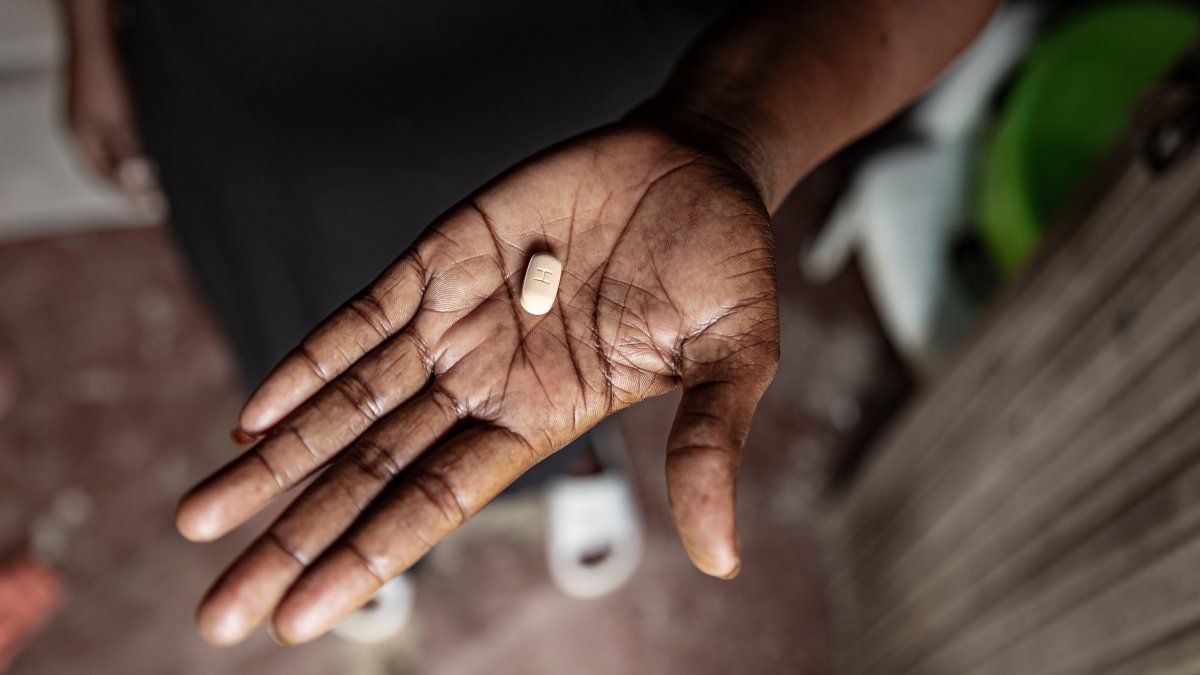

The U.S. government’s flagship HIV/AIDS response program has avoided a proposed budget cut under the Trump administration’s broader efforts to retract federal spending. The ongoing debate over the program’s funding underscores the tension between fiscal restraint and global health priorities.
At the center of the controversy is PEPFAR (the President’s Emergency Plan for AIDS Relief), a cornerstone of U.S. health diplomacy since its launch in 2003. Over its two-decade run, PEPFAR has funded lifesaving treatment, prevention, and support services in dozens of countries—helping to curb new infections, reduce mother-to-child transmission, and save millions of lives.
At the start of the year, President Trump’s budget proposition suggested retrieving approximately $400 million from PEPFAR as a component of a broader rollback initiative. The administration defended this decision by stating it was intended to remove unspent resources and redirect them towards urgent domestic requirements. However, detractors cautioned that reducing PEPFAR’s funds could jeopardize extensive advancements in the international battle against HIV.
What followed was swift and bipartisan pushback. Lawmakers in both parties emphasized PEPFAR’s exceptional track record and moral importance. They cautioned that even a small reduction could cause clinic closures, interrupt medication supply chains, and reverse hard-won gains in developing regions. Advocates highlighted the potential human cost—both in lives lost and in diminished global goodwill tied to U.S. leadership on health issues.
Facing mounting pressure, Senate Republicans proposed an alternative version of the rescue package that preserved PEPFAR funding while allowing reductions elsewhere. This proposal passed preliminary votes, with Vice President Vance casting the tie-breaking vote after a razor‑thin split among senators. The revised package still cuts billions in foreign aid and public broadcasting support but leaves the HIV/AIDS lifeline intact.
Although these changes have been made, the comprehensive rescission strategy continues to stir controversy. Even though global health supporters applauded the preservation of PEPFAR, concerns persist about the broader repercussions. An associated proposal would reallocate funds from other worldwide health initiatives and cut backing for the Corporation for Public Broadcasting—actions that opponents contend weaken crucial medical, educational, and humanitarian initiatives.
Domestically, the debate has been heated as well. Trump’s proposed budget had also targeted federal HIV prevention efforts and research programs. These plans sparked concern among health experts, who point out that reversing the recent decline in new HIV cases—achieved through targeted testing, education, and interventions—would jeopardize domestic health gains.
In Congress, those concerns emerged in hearings and press statements emphasizing that federal funding supports treatment access for hundreds of thousands of Americans. Many rely on Medicaid, Ryan White programs, and insurance to maintain lifelong care. Critics argue that cutting prevention budgets would worsen the epidemic’s impact, especially on marginalized communities.
Across international boundaries, the worldwide consequences are clear. A report from the United Nations highlights that a substantial reduction in U.S. support could result in millions of additional HIV cases and fatalities, especially in countries with low and middle income. Some clinics have already experienced staff shortages and disruptions in services, suggesting that the chain reactions have started even before the complete execution of the budget reductions.
The Trump administration has defended the rescission effort as part of a broader push to eliminate unused budget authority and improve fiscal accountability. Officials also cite changes in humanitarian priorities and emerging health challenges. Nevertheless, they’ve carved out an exemption for PEPFAR—implicitly acknowledging its strategic and ethical significance, even amid broader retrenchment.
Currently, Congress is faced with the task of balancing various priorities. The House first passed the complete rescissions package, embracing the proposed cutback to PEPFAR. On the contrary, the Senate altered the proposal to keep the funding for HIV/AIDS intact. The outcome of these negotiations is now back in the House, where legislators are anticipated to thoroughly consider the consequences prior to the final approval.
PEPFAR’s survival offers temporary relief for global HIV programs, but the broader aid reductions remain a concern. Health advocates warn that even targeted cuts—outside of HIV—could destabilize fragile health systems abroad. Public broadcasters also argue that chipped funding will limit their ability to serve underrepresented communities domestically.
As legislative discussions progress, analysts point out that this situation highlights more than just budget calculations. It emphasizes how health and humanitarian strategies can become intertwined with political spending conflicts. The future of global disease combat initiatives now depends on lawmakers’ readiness to reconcile fiscal reductions with global obligations.
Looking ahead, public health leaders urge Congress to take a long-term view. PEPFAR, they say, remains a gold standard in global health diplomacy—offering measurable returns in lives saved and global stability. Likewise, no single veto-proof safeguard exists for other health initiatives, meaning each funding decision carries weight.