Our website uses cookies to enhance and personalize your experience and to display advertisements (if any). Our website may also include third party cookies such as Google Adsense, Google Analytics, Youtube. By using the website, you consent to the use of cookies. We have updated our Privacy Policy. Please click the button to view our Privacy Policy.

Economy

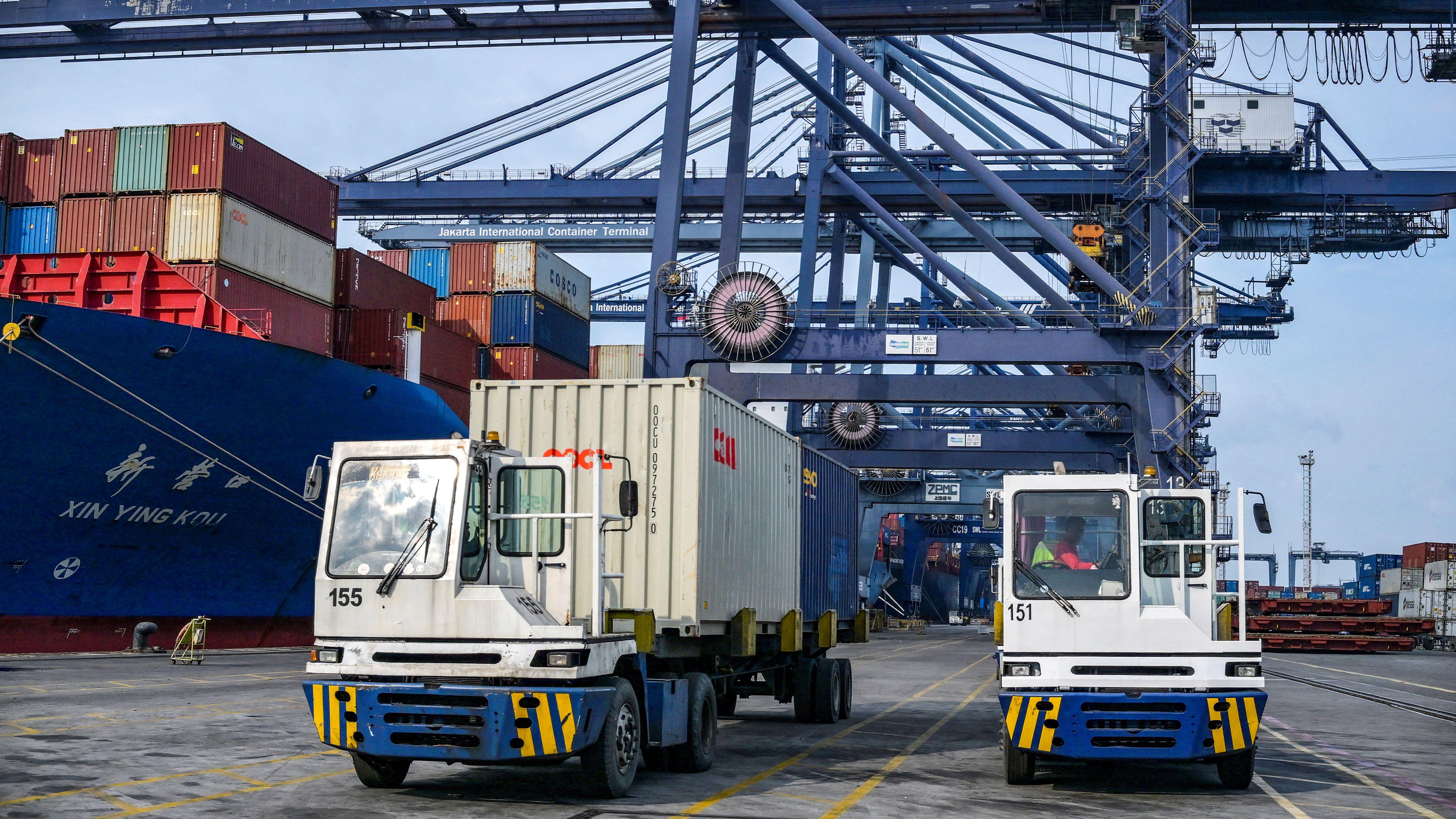
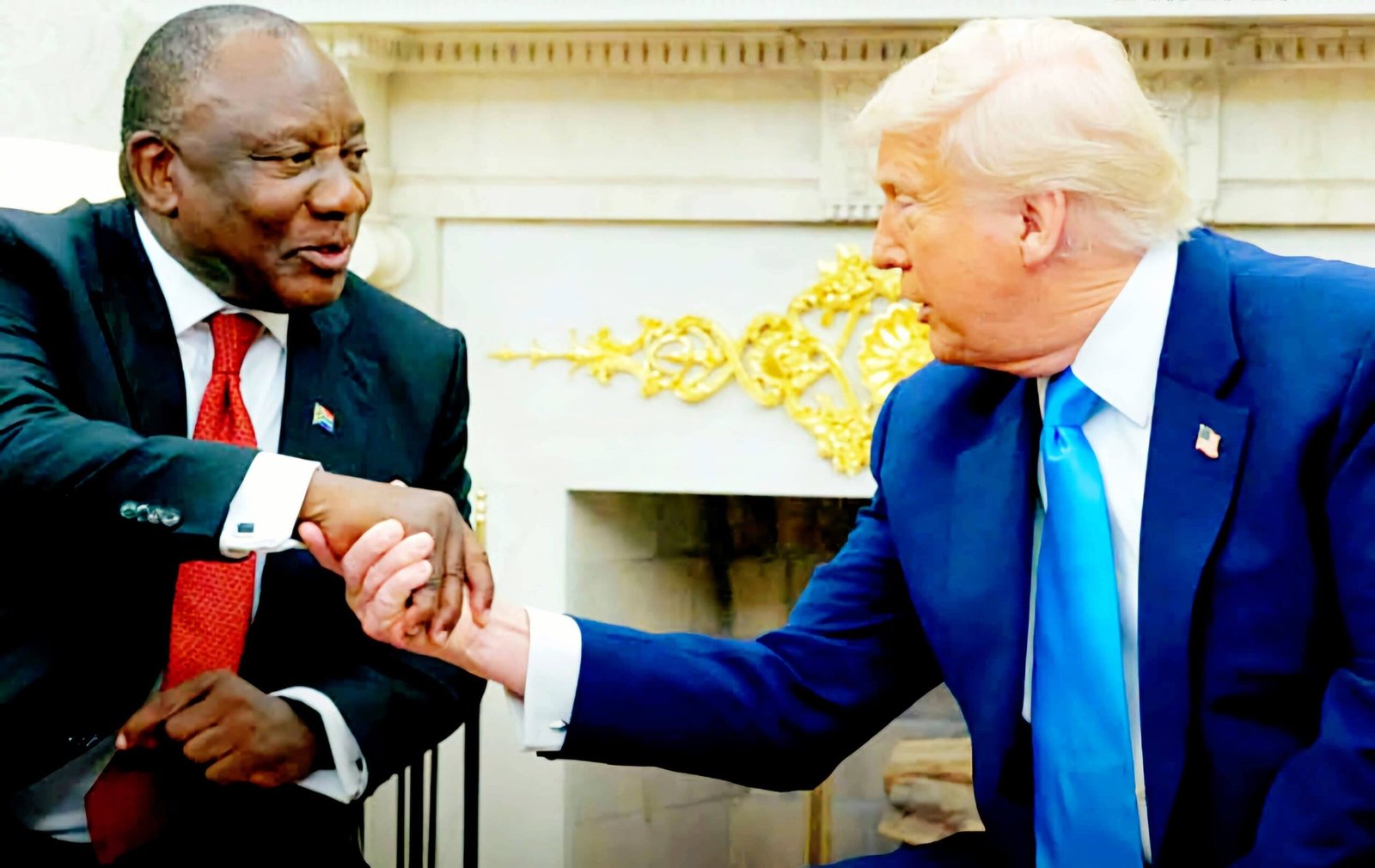
Ramaphosa opposes Trump's 30% tariff on South Africa

Ramaphosa protests Trump’s 30% tariff on South Africa

South Africa’s President, Cyril Ramaphosa, has publicly expressed his opposition to the proposed 30% tariff on South African goods, recently announced by former U.S. President Donald Trump. The tariff proposal, which forms part of a broader economic strategy linked to trade realignments, has raised concerns not only within South Africa but also among global trade observers who fear its potential impact on international relations and emerging market economies.The proposed tariff, aimed specifically at South African exports to the United States, is part of Trump’s ongoing rhetoric emphasizing national self-interest and the protection of American industries. While the former president has…
Read More
Wall Street is calling Trump’s bluff

Wall Street is calling Trump’s bluff

In the complex and ever-shifting world of global finance, confidence is often as valuable as tangible assets. In recent months, financial markets, particularly in the United States, have shown signs of skepticism toward former President Donald Trump's latest economic threats and policy pronouncements. Investors, analysts, and institutions appear less reactive than in previous years, suggesting that Wall Street may no longer take Trump’s economic rhetoric at face value.This evolving relationship between political leadership and financial markets underscores how perception, experience, and global economic conditions can shape investor behavior. As Trump continues to influence public discourse with comments on tariffs, trade…
Read More
US delays higher tariffs but announces new taxes for some countries

US pushes back tariff increases, imposes new taxes on some nations

The United States has announced a decision to delay planned increases in tariffs on a range of imported goods while simultaneously unveiling new tax measures targeting specific countries. The move reflects the ongoing complexities of international trade relations as the U.S. government continues to balance domestic economic priorities with shifting global dynamics.The delay in raising existing tariffs offers temporary relief to several key trading partners and industries, many of which had expressed concerns over the potential economic fallout of higher import duties. At the same time, the decision to impose new taxes on certain countries underscores the administration’s continued focus…
Read More
Tariffs, explained: What Trump wants from all these trade deals

Tariffs, explained: Decoding Trump’s approach to trade deals

Over the past few years, the issue of tariffs has transitioned from economic textbooks to the center of public discussion, primarily because of former U.S. President Donald Trump's prominent strategy toward international trade. Although tariffs have traditionally been an essential component in the economic strategies of countries globally, the way they were utilized during Trump's tenure sparked renewed debates on their objectives, efficiency, and lasting effects on worldwide markets and national industries.Tariffs, at their core, are taxes placed on imported goods. They are designed to make foreign products more expensive, thereby encouraging consumers and businesses to purchase domestically produced alternatives.…
Read More
There are hundreds of temporary tariff-free zones — and they’re in the US

Inside America’s hundreds of temporary tariff-free zones

In the intricate realm of international trade, tariffs frequently have a significant impact on economic policies, global supply chains, and the prices that consumers encounter for standard products. However, although much focus is placed on debates about trade restrictions and the duties applied to imports, there is an underappreciated system in the United States that enables companies to evade certain tariffs entirely: Foreign-Trade Zones (FTZs).The regions dispersed throughout the nation offer businesses temporary reprieve from tariffs under particular circumstances, providing adaptability that can greatly influence company activities, expenses, and competitive standing. Despite being mostly unnoticed by typical consumers, FTZs play…
Read More
Trump threatens extra 10% tariff on nations siding with Brics

Trump warns of 10% tariff hike for Brics allies

As conversations about worldwide commerce proceed to develop, the ex-U.S. President Donald Trump has garnered attention once more with an audacious plan that might transform global economic connections. During a recent political gathering, Trump mentioned that should he regain the presidency, his government would think about introducing a further 10% duty on products from nations opting to join the growing Brics coalition—an economic group comprising Brazil, Russia, India, China, and South Africa.The suggestion mirrors Trump’s enduring conviction that assertive trade policy can act as an effective instrument to defend U.S. industries and offset the power of emerging international rivals. Despite…
Read More
What have tariffs really done to the US economy?

What tariffs have meant for the US economy

Tariffs have long been a central tool in the arsenal of economic policy, used by governments to influence trade, protect domestic industries, and generate revenue. In recent years, the United States has relied heavily on tariffs as part of its broader trade strategy, particularly in relation to China and other key trading partners. This renewed focus on protectionism has sparked intense debate over whether tariffs help or harm the U.S. economy. A closer look reveals that the effects of these policies are complex, far-reaching, and often produce mixed results.At their essence, tariffs function as taxes placed on products brought in…
Read More
gold and silver round coins and bullions

How to keep your savings safe in an economic crisis?

An economic crisis, whether triggered by a recession, banking collapse, geopolitical tension, or a global pandemic, often creates waves of uncertainty. Savings can be jeopardized by inflation, currency devaluation, stock market crashes, and mass unemployment. The 2008 Global Financial Crisis, for example, saw many individuals lose substantial portions of their investments and face liquidity challenges almost overnight. Protecting your savings during such turbulent times is crucial for maintaining financial stability and peace of mind.Diversification: The Core DefenseDiversification is the fundamental principle for safeguarding savings. Spreading assets across multiple categories—like cash, bonds, equities, commodities, and real estate—reduces risk exposure. For instance,…
Read More
Congress passes Trump's 'big, beautiful bill' cutting taxes and spending

Trump’s ‘big, beautiful bill’ on tax cuts and spending passes Congress

In a major progression that signifies one of the most daring changes in U.S. financial policy in recent years, Congress has approved a law supported by former President Donald Trump, focused on cutting both taxes and government expenditures. The comprehensive legislation, which Trump had eagerly referred to as a “big, beautiful bill,” is set to transform crucial elements of the American economy and public finances for years to follow.The law mirrors enduring Republican goals of reducing taxes for both individuals and companies, while also cutting federal spending. Proponents claim the policy will encourage economic expansion, increase investments, and provide American…
Read More
person holding 10 and 10 euro banknotes

How to handle business debt effectively

Managing business debt is a critical aspect of sustaining and growing any enterprise. It demands foresight, discipline, and strategic planning to balance obligations and opportunities while steering clear of financial distress. Here’s an in-depth guide detailing how to handle business debt intelligently, supported by actionable strategies, real-world examples, and practical tips.Understanding the Nature of Business DebtNot all debt is created equal. Distinguishing between good debt and bad debt is fundamental. Good debt typically finances initiatives that generate profits and expand business capabilities—such as investing in equipment, technology, or skilled employees. Bad debt, by contrast, drains resources without generating corresponding returns,…
Read More