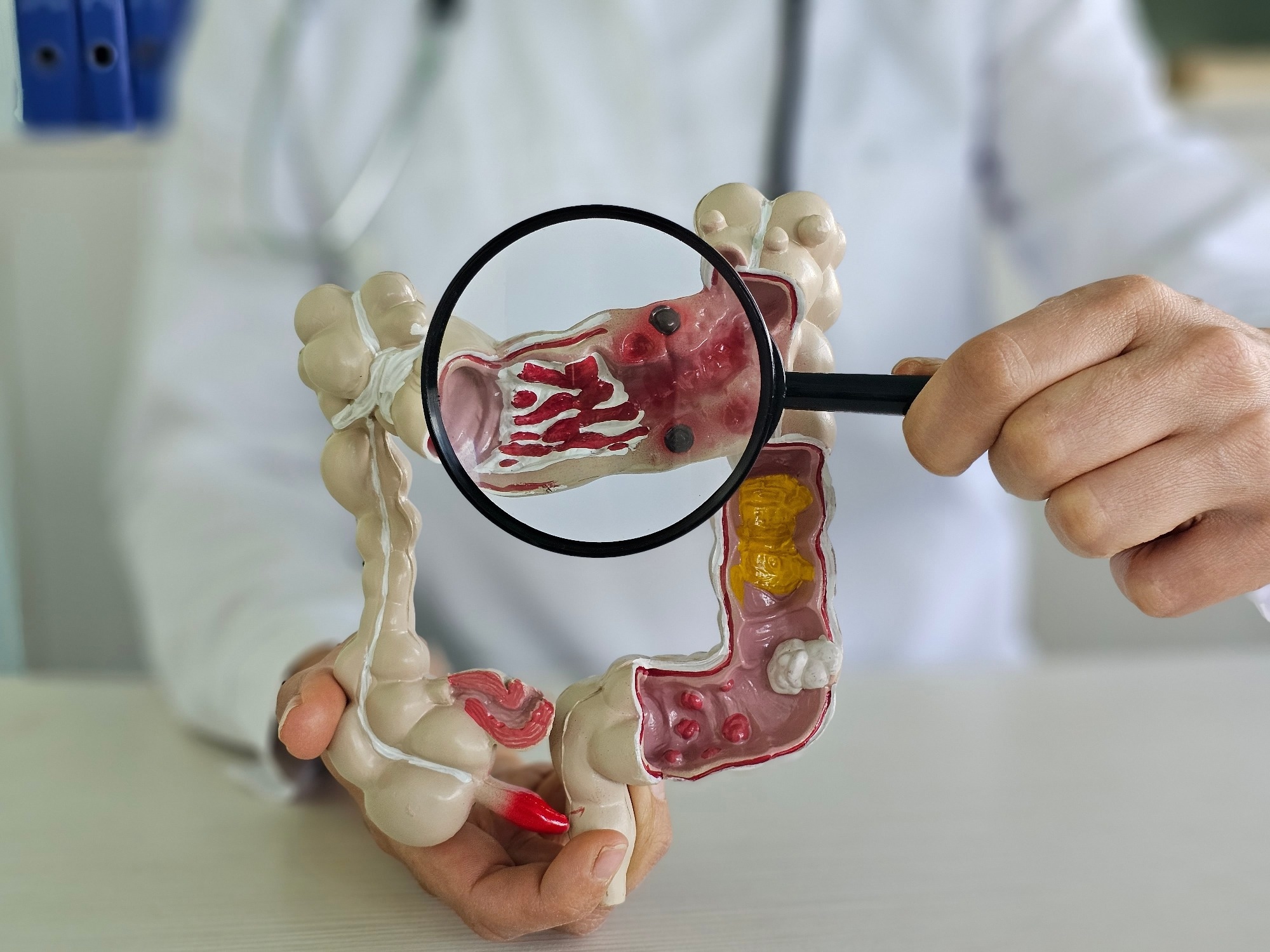

In recent years, a noticeable shift in healthcare practices has led to more young adults undergoing screenings for colon cancer — and as a result, cases of the disease are being detected at earlier, more treatable stages. This trend is prompting both optimism and concern in the medical community: while early detection can dramatically improve outcomes, the rising incidence of colorectal cancer among younger populations remains a growing public health issue.
Historically, colorectal cancer was considered a condition that primarily affected people over 50. For decades, routine screening was recommended beginning at age 50, and the majority of cases were diagnosed in older adults. However, emerging data has shown a steady increase in colon cancer diagnoses among individuals under the age of 45. This shift in the age profile of patients has sparked changes in national guidelines, with many health authorities now recommending that average-risk individuals begin screening as early as age 45 — and even earlier for those with a family history or other risk factors.
The positive development is that, due to earlier screening, medical professionals are identifying more cases at initial stages, when the condition responds better to therapy. Colonoscopies, along with other non-invasive screening approaches like stool-based exams, can find polyps before they turn cancerous or recognize tumors while they remain confined. This has resulted in improved prognoses and an increased rate of successful treatments for individuals detected early.
Nevertheless, the root reasons contributing to the rise in early-onset colorectal cancer continue to be the focus of ongoing investigations. Although genetics have an influence, lifestyle habits are being examined more closely. Consuming diets rich in processed meats but low in fiber, leading a sedentary life, high alcohol intake, smoking, and obesity are all thought to potentially increase the risk of colorectal cancer. Moreover, alterations in gut microbiota resulting from changes in diet or environmental factors might also be affecting cancer occurrence among younger populations.
Healthcare professionals stress that while some risk factors cannot be changed — such as family history or certain genetic conditions like Lynch syndrome — many others can be managed through informed choices and routine care. Reducing risk begins with understanding the factors involved and taking proactive steps toward prevention.
1. Embrace regular screening:
The best approach to lowering the danger of colon cancer is by undergoing screenings at the appropriate time. Colonoscopies are considered the top choice, as they enable doctors to identify and eliminate precancerous polyps in the same session. Nonetheless, alternative techniques like fecal immunochemical tests (FIT), stool DNA tests, and virtual colonoscopies also offer important information. It’s essential to talk about screening alternatives with a healthcare professional, particularly for individuals with a family history or established risk factors.
2. Focus on dietary habits:
Nutrition plays a significant role in gastrointestinal health. Diets rich in fruits, vegetables, whole grains, and legumes provide fiber and antioxidants that help maintain a healthy colon. Conversely, excessive consumption of red and processed meats, high-fat foods, and refined sugars has been associated with increased cancer risk. Incorporating plant-based meals and reducing intake of processed foods can offer protective benefits.
3. Keep a balanced weight and an active way of living:
Obesity has been identified as a contributing factor to colon cancer risk. Maintaining a healthy body weight through a balanced diet and regular physical activity — at least 150 minutes of moderate aerobic activity per week — can lower the risk of several types of cancer, including colorectal. Exercise also supports immune function, digestive health, and hormone regulation, all of which play a role in cancer prevention.
4. Reduce your alcohol intake and stay away from tobacco:
Drinking alcohol, particularly in large amounts, has been associated with a heightened risk of developing colorectal cancer. In the same way, smoking is a recognized carcinogen that impacts various organs, including the colon. Reducing or abstaining from alcohol consumption and steering clear of tobacco can greatly lower the chances of getting cancer.
5. Be attentive to symptoms and changes:
Colon cancer might progress quietly in its initial phases, yet specific signs can indicate the necessity for a medical check-up. These signs involve continuous alterations in bowel routines, bleeding from the rectum, stomach pain or cramping, unexpected weight reduction, and tiredness. Although these symptoms do not invariably mean cancer, they should not be disregarded, especially if they persist or intensify with time.
6. Learn about your own and your family’s health history:
Individuals with a first-degree relative (parent, sibling, or child) who has had colon cancer are at increased risk and may need to begin screening earlier than the general population. Genetic counseling and testing may also be recommended for those with strong family histories or known inherited syndromes that elevate cancer risk.
Public health initiatives are putting more emphasis on education and raising awareness, particularly aiming at younger individuals who might not consider themselves at risk for a condition traditionally linked to older adults. Celebrities and advocates who have openly discussed their personal journeys with early-onset colon cancer have been crucial in reducing stigma and promoting earlier discussions about screening.
Advances in medical technology have also made screening more accessible. At-home stool-based tests offer a non-invasive, convenient option for those hesitant about traditional colonoscopies. Telehealth platforms now allow individuals to consult with specialists and receive guidance on testing from the comfort of home, reducing barriers to care.
Despite these improvements, disparities in access to screening persist across racial, ethnic, and socioeconomic groups. Underserved communities often face higher rates of late-stage diagnoses and lower survival rates due to gaps in access to healthcare, insurance coverage, and preventative services. Addressing these inequalities is an essential part of the broader strategy to reduce the overall burden of colon cancer.
Ultimately, awareness and action are the cornerstones of prevention. With increased public understanding of the importance of early detection and the implementation of personalized risk-reduction strategies, more individuals — regardless of age — can take control of their health and reduce their chances of developing colon cancer.
Elevated screening rates among younger individuals are a move towards progress, yet extensive effort remains necessary in research and advocacy. While researchers delve into understanding the origins of early-onset colorectal cancer, people can contribute by remaining educated, undergoing timely screenings, and embracing lifestyle habits that promote enduring health.