
South Korea’s globally renowned K-beauty industry is facing mounting pressure as a result of tariffs imposed under trade policies introduced during the administration of former U.S. President Donald Trump. Once celebrated for its rapid international growth and influence on global beauty trends, the sector is now grappling with increased costs, disrupted supply chains, and uncertainty about future market access—particularly in the United States, one of its key export destinations.
The tariffs, originally designed to counter what the Trump administration called unfair trade practices by China and other countries, have had broader repercussions, impacting industries and nations that were not their primary targets. South Korea’s cosmetics sector, which relies heavily on exporting skincare and makeup products to American consumers, has become an unintended casualty of this policy approach.
As K-beauty remains popular and well-recognized by consumers worldwide, Korean companies are encountering rising expenses when shipping to the U.S. The increased costs, mainly due to higher tariffs on components, packaging, and some finished products, are compelling numerous firms to reassess their pricing and distribution approaches.
For small and medium-sized enterprises (SMEs) in particular, the impact has been significant. Unlike large multinational corporations that can absorb or offset these costs, smaller Korean brands often operate on thinner margins and lack the resources to adapt quickly. Many have had to delay expansion plans, reduce marketing budgets, or seek alternative markets in Southeast Asia and Europe.
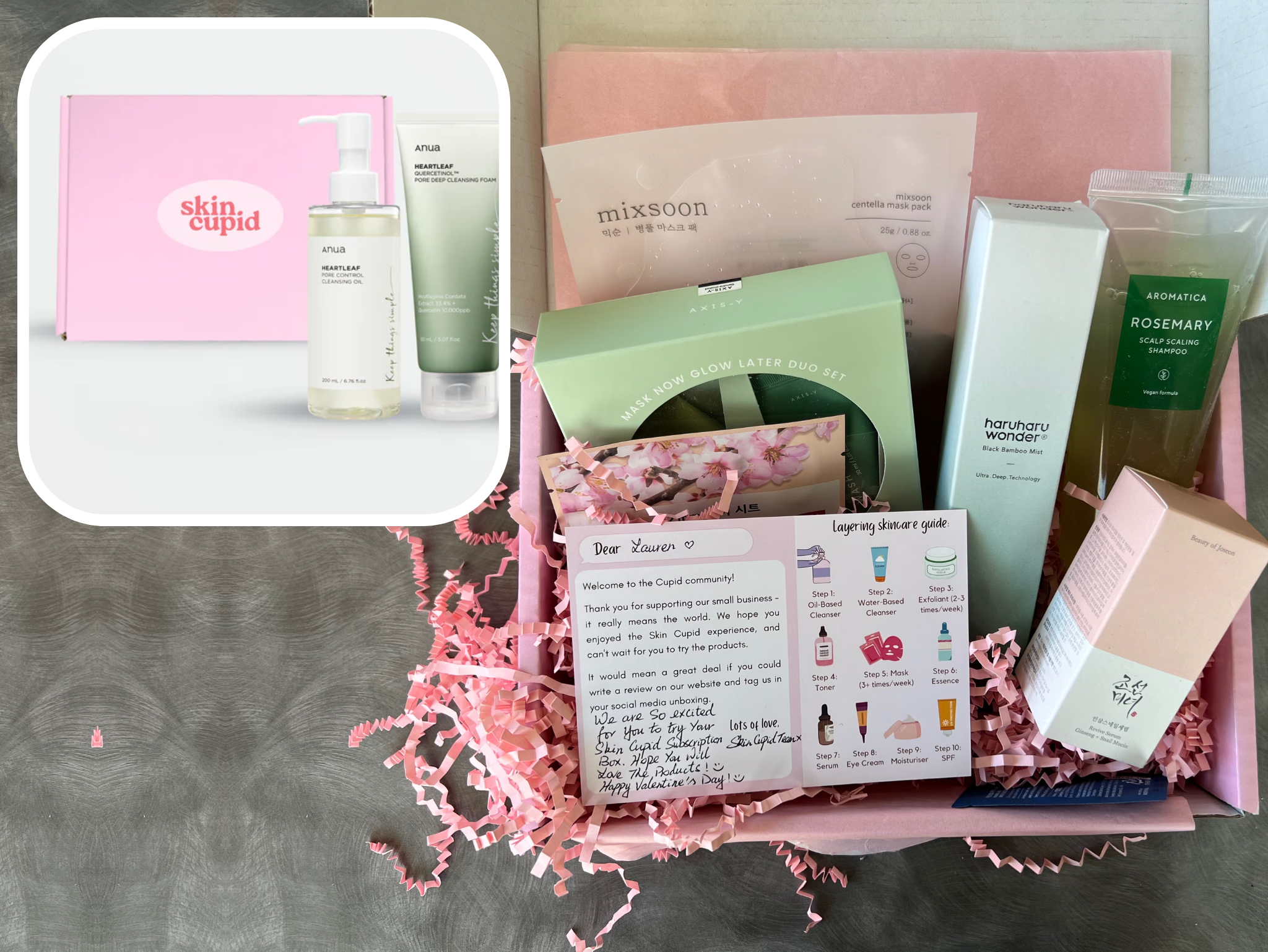
The U.S. remains a crucial market for K-beauty due to its size, purchasing power, and trend-setting influence. Korean products gained rapid popularity in the U.S. over the past decade, thanks in part to social media, beauty influencers, and the growing appeal of Korean pop culture. From BB creams and sheet masks to innovative skincare routines, Korean beauty brands have reshaped global consumer expectations and industry standards.
However, with the added burden of tariffs, competitiveness is at risk. Korean companies now face stronger price competition from domestic U.S. brands and other international players not subject to the same trade restrictions. This has led to concerns that the growth momentum of K-beauty in the American market may be slowing, particularly for newer entrants trying to establish brand presence.
In an effort to lessen the effects, several companies have delved into local production or alliances with U.S. manufacturers. Although this strategy might minimize tariff risks, it also introduces issues concerning quality assurance, brand reputation, and operational intricacies. Some have also considered establishing distribution centers in the U.S. to optimize shipping and handle expenses more efficiently, but these strategies demand substantial investment and strategic planning.
The South Korean government has been monitoring the situation closely. Trade officials have raised concerns through diplomatic channels and trade forums, advocating for a more nuanced application of tariffs that considers the unique characteristics of the Korean-U.S. trade relationship. Seoul has also offered limited support programs for affected exporters, including financial assistance and consultation services aimed at helping businesses diversify their markets or rework supply chains.
From a broader perspective, the ongoing trade friction underscores the vulnerability of highly globalized industries to shifting political landscapes. K-beauty’s rapid rise was made possible by open markets, efficient logistics, and enthusiastic cross-border consumerism. Now, the very model that fueled its growth is being tested by geopolitical uncertainty and trade protectionism.
Some analysts in the industry remain hopeful, observing that K-beauty has shown resilience in the past—especially during previous disruptions like the COVID-19 pandemic, when online shopping and digital interaction supported demand. Ongoing innovation, robust branding, and a dedicated customer base might enable top Korean beauty firms to endure this recent challenge and adjust to shifting trade conditions.
In the meantime, brands are becoming more strategic in how they approach the U.S. market. Many are placing greater emphasis on digital channels, direct-to-consumer platforms, and influencer marketing to maintain consumer loyalty without overly relying on traditional retail partnerships. This shift not only helps reduce operational overhead but also provides valuable data on customer preferences and buying behaviors.
Moreover, introducing new products continues to set companies apart significantly. K-beauty brands are consistently channeling resources into research and development, prioritizing natural ingredients, eco-friendly packaging, and formulas supported by scientific research. These patterns closely match the changing preferences of consumers in the U.S., where there is a swift increase in consciousness regarding health, sustainability, and sourcing ethics.
Despite the current challenges, industry leaders believe that the fundamental appeal of K-beauty remains intact. The sector’s reputation for quality, creativity, and affordability still resonates with global consumers, and demand is unlikely to vanish entirely. However, in a more protectionist and cost-sensitive trade environment, brands will need to balance innovation with resilience—and short-term adjustments with long-term strategy.
As trade negotiations between the U.S. and its partners continue to evolve under the current administration, there may yet be opportunities to revisit or revise tariff structures that affect South Korean exporters. Until then, the K-beauty industry will need to remain agile, resourceful, and forward-thinking to sustain its international success.
The story of K-beauty’s response to Trump-era tariffs offers a compelling case study in the complexities of global trade, the interconnectedness of policy and business, and the adaptability required of companies navigating an unpredictable economic landscape. While the future remains uncertain, one thing is clear: the global beauty industry—and K-beauty within it—is being reshaped not only by consumer trends but also by the politics of international commerce.