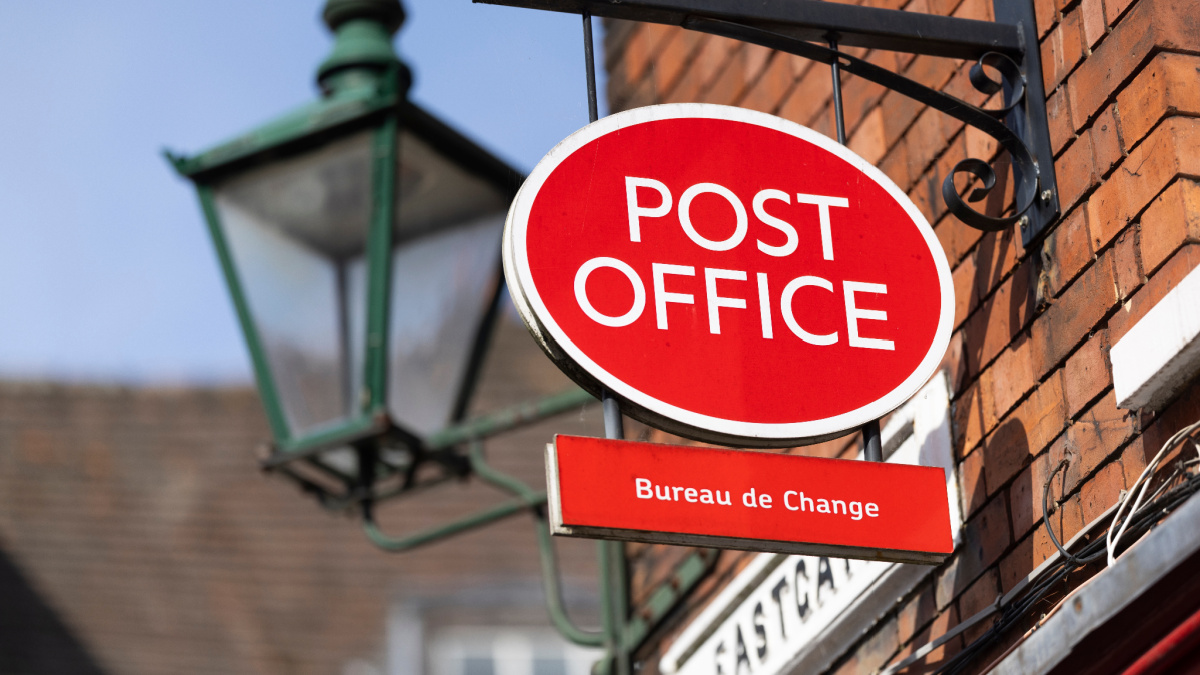

The UK government has initiated talks on a prospective future where the Post Office network of the nation might be owned and managed by those who operate its branches—the postmasters. The idea, which is still being considered in its preliminary phases, indicates a significant potential change in the organization and administration of the Post Office, affecting local economies, the availability of services, and the enduring viability of one of Britain’s oldest institutions.
The concept was introduced in a recent declaration by governmental representatives, who proposed that handing over ownership or a leading role of the Post Office to the postmasters themselves could pave the way for a more community-centered and robust business model. This approach would align with a wider movement in public service transformation, which seeks to decentralize authority and enhance participation from stakeholders in the management of vital services.
Though no definitive strategies have been revealed, exploring the option of joint ownership is part of the government’s continuous initiatives to aid postmasters after years of disputes, lack of funding, and operational difficulties. Notably, the idea is regarded as a method to strengthen those at the forefront of delivering services—postmasters who have been crucial in maintaining the network’s operation, especially in rural and underserved regions.
The conversation occurs during a notable shift for the Post Office, which is experiencing heightened demands to update its operations due to decreasing traditional mail quantities, rivalry from online services, and rising needs for financial and government-related services. The concept of postmaster ownership would signify a significant change from the existing structure, where the Post Office functions as a government-owned company under the Department for Business and Trade.
Under the proposed framework under review, regional branch managers may have the opportunity to obtain shares in a Post Office that operates as a mutual organization, allowing them more say in governance and strategic choices. This model might be akin to cooperative business systems found in different areas, where participants collectively hold ownership and direct activities in pursuit of common objectives.
The suggestion has sparked a careful curiosity among numerous individuals within the postmaster sector. For many years, a multitude of postmasters have expressed dissatisfaction regarding their role constraints, economic burdens, and insufficient inclusion in high-level policymaking. Awarding ownership rights, several believe, might reinstate a feeling of empowerment and commitment for those who engage daily with clients and comprehend the requirements of their local areas.
Nevertheless, the idea brings up concerns regarding money, supervision, and managing risks. Shifting to a model directed by a postmaster would necessitate substantial preparatory work in legal, financial, and organizational areas, with systems for making decisions, resolving conflicts, and ensuring responsibility. Moreover, protections would be needed to guarantee the preservation of national service standards and access promises throughout every region, irrespective of the scale or prosperity of local offices.
From a policy standpoint, the potential shift toward postmaster ownership aligns with a growing governmental interest in community-led public service models. Officials point to successful examples in other sectors—such as cooperative housing associations and mutualized health services—that have managed to balance local autonomy with national standards. The hope is that applying similar principles to the Post Office could improve morale, drive innovation, and rebuild public trust.
Este no es el primer intento de introducir la idea de propiedad compartida. Durante los últimos diez años, varios grupos de reflexión y comités parlamentarios han propuesto que los modelos dirigidos por las partes interesadas podrían proporcionar un futuro más sostenible para los activos públicos. En el caso de la Oficina Postal, donde las relaciones entre la gerencia central y las sucursales locales han sido frecuentemente tensas, la idea tiene una resonancia especial.
The proposal also arrives against the backdrop of ongoing efforts to address the fallout from the Horizon IT scandal, which saw hundreds of postmasters wrongly accused of financial misconduct due to errors in accounting software. That episode exposed serious flaws in governance and transparency within the Post Office, and it has prompted renewed calls for reforms that put postmasters at the heart of decision-making processes.
Supporters of transitioning to a mutual ownership model suggest that increasing the investment and involvement of postmasters in the ownership structure would not only assist in avoiding future governance issues but also foster more flexible, locally customized responses to changing service needs. They contend that postmasters, given their direct ties to the community and practical experience in operations, are ideally suited to influence the network’s future direction.
On the other hand, critics caution that structural overhauls of this scale should not be rushed. They stress the need for extensive consultation, legal clarity, and financial planning to ensure that the transition does not inadvertently jeopardize the stability of the network or its obligations to the public.
Organizations advocating for consumer rights have expressed interest in the proposal, pointing out that any strategy enhancing local services and guaranteeing ongoing access to postal and financial services—especially for vulnerable and isolated communities—warrants thorough investigation. However, they caution that any shift towards privatization must be undertaken with care, ensuring that public interest continues to be the main guiding principle.
As the government continues to review the future of the Post Office, it is expected that formal consultations will be conducted with postmasters, industry experts, unions, and community representatives. These discussions will likely shape whether the concept of a postmaster-owned Post Office evolves into a concrete policy proposal.
Over the next few months, the path chosen could signify a pivotal moment for a national entity that, for hundreds of years, has been a cornerstone of community support throughout the UK. If conducted with diligence and partnership, the concept of a Post Office guided by postmasters could evolve it into a service that is more inclusive, responsible, and enduring—one that mirrors the perspectives of those most familiar with it.