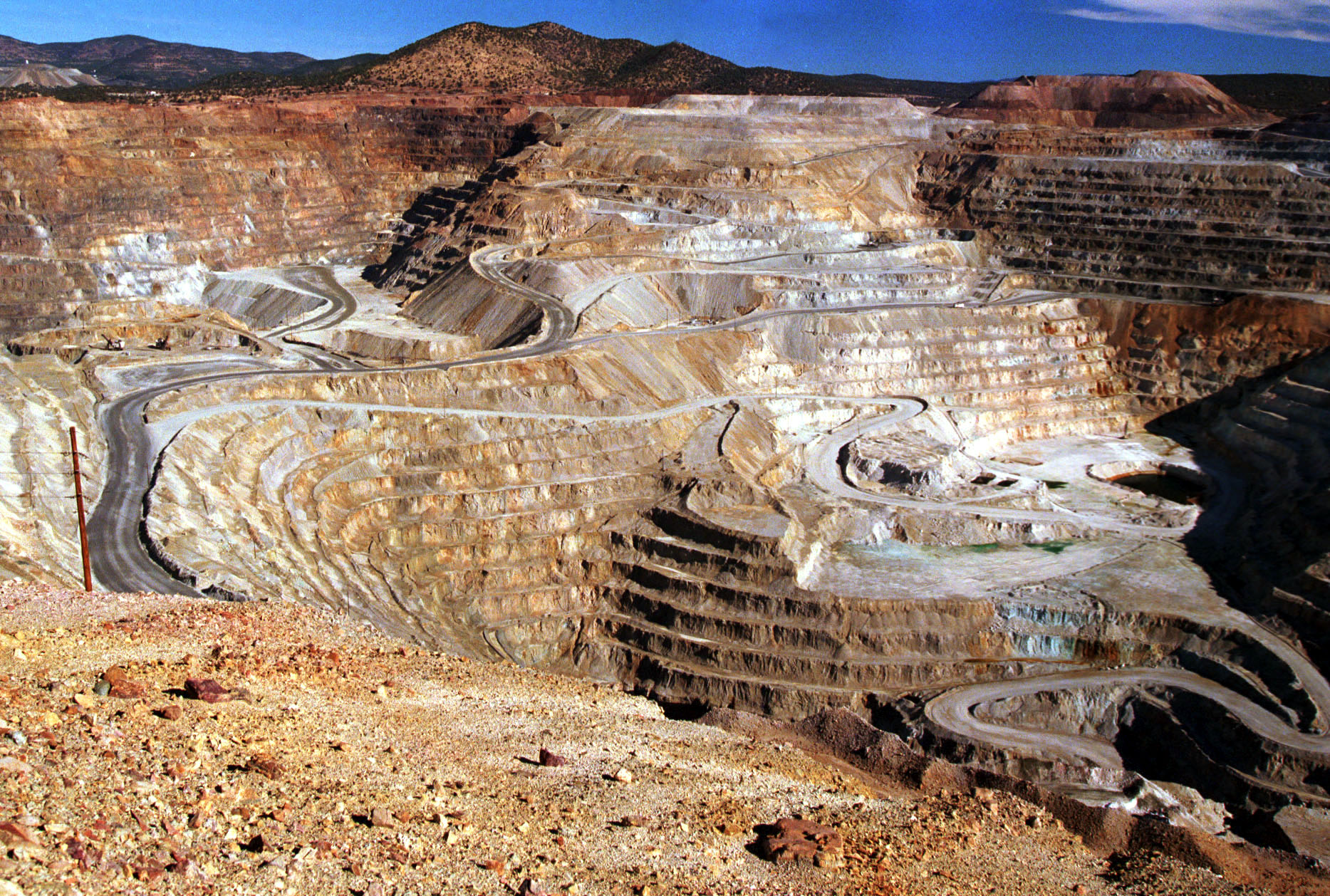

Australia is making a multi-billion dollar strategic push to become a global leader in the rare earths market, directly challenging China’s long-standing dominance. This ambitious initiative is a response to the geopolitical vulnerabilities exposed by Beijing’s near-monopoly on the supply of these critical minerals. The plan involves significant investment in mining, processing, and manufacturing capabilities, aiming to build a complete, independent supply chain within Australian borders. This is not just an economic venture; it’s a strategic move to secure the supply of materials essential for modern technology and defense, a step that could reshape global power dynamics.
The rare earths market is currently controlled almost entirely by China, which processes over 80% of the world’s supply. This control gives Beijing significant leverage in international relations, as these minerals are vital components in a vast array of high-tech products, including electric vehicles, wind turbines, smartphones, and military hardware. The concentration of this supply in a single country has raised serious concerns in Western nations about potential supply disruptions and economic coercion. Australia’s plan seeks to directly address this vulnerability by creating a reliable and secure alternative source for the world.
Australia’s advantage in this race is its vast natural reserves. The country possesses some of the largest known deposits of rare earths outside of China. The new strategy is not just about extracting these minerals but also about developing the capacity to process them into finished products. This is a crucial step, as China’s dominance is built not just on mining but on its advanced processing facilities. Australia’s investment in this area is a significant part of its plan to compete on a global scale. It’s an all-encompassing strategy, from the ground to the factory, designed to create a self-sufficient industry.
The Australian government has committed over a billion dollars to this project, with funding directed towards research, infrastructure, and commercial partnerships. This investment is intended to jumpstart the industry and provide a competitive edge against China’s established infrastructure. The funding is being used to support domestic companies in developing new mines and processing plants and to create a skilled workforce capable of operating in this specialized sector. This is a long-term investment, with the goal of creating a sustainable industry that can last for generations.
The worldwide geopolitical scene significantly influences this initiative. With increased tensions between China and Western countries, ensuring secure supply routes has become crucial. The United States and its allies are making efforts to expand their rare earth sources to lessen their dependence on China. Australia, being a stable and democratic ally, is ideally placed to play a significant role in this developing supply chain. Partnering with global allies is a crucial aspect of Australia’s approach, as it offers an established market for its rare earth materials.
The effect of extracting and refining rare earth elements on the environment is a major issue, and Australia’s strategy places ample emphasis on eco-friendly and ethical methods. The Chinese rare earths sector has faced criticism over its environmental track record, with numerous mining operations resulting in pollution and contamination. Australia aims to establish a more “eco-friendly” supply chain, implementing innovative technologies to lessen waste and decrease the environmental impact. This dedication to sustainability is not just an ethical decision but also a strategic approach, as it serves as an important attraction for international buyers who prioritize environmental responsibility.
The challenge ahead for Australia is immense. It must not only compete with China’s established infrastructure and lower costs but also overcome technical hurdles and regulatory complexities. The rare earths market is a highly specialized and complex field, and building an industry from the ground up will require a coordinated effort from government, industry, and the scientific community. However, the potential rewards are enormous, both in terms of economic prosperity and national security. The success of this initiative could change the global balance of power, creating a more diversified and resilient global economy.
Australia’s billion-dollar initiative to counter China’s leadership in rare earths is an ambitious yet essential strategy. This approach aims to safeguard a crucial supply chain, enhance national security, and establish a new driver for economic development. The plan is all-encompassing, addressing aspects from extraction to processing and eco-friendly practices. Despite notable challenges, the likelihood of success is substantial, as Australia’s natural resources and stable democracy offer a solid base. This endeavor highlights the nation’s foresight and commitment to taking a prominent position in the world’s economic future.