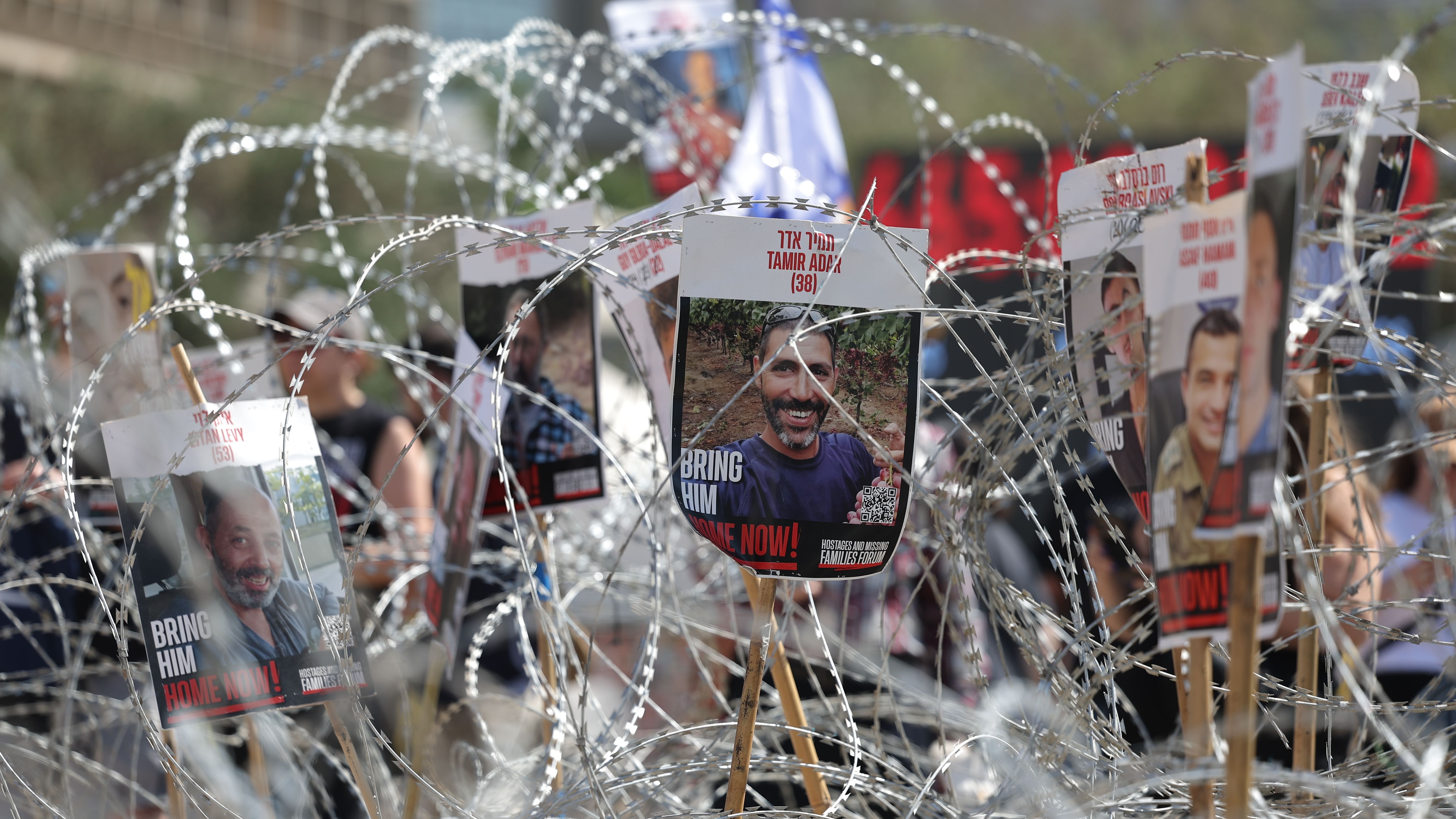

Wide-scale protests have surged throughout Israel due to the distribution of alarming video from Gaza, depicting hostages in visibly frail conditions. Large crowds assembled in key cities, calling for immediate government measures to ensure the release of Israeli nationals presumed to be detained by militant factions. The emotional reaction has reawakened national discussions over the management of hostage talks and the overarching conflict dynamics within the area.
The recently released videos, circulated by Gaza-based militants, depict several captives in deteriorated physical condition. Their gaunt appearances and subdued demeanor have triggered a wave of concern, anger, and calls for immediate intervention. While the authenticity of the footage is still being verified, it has already had a profound psychological impact on Israeli society and added urgency to ongoing efforts aimed at negotiating their release.
In urban hubs like Tel Aviv and Jerusalem, demonstrators have gathered in public spaces, holding banners, voicing chants, and calling on politicians to focus on the secure recovery of the hostages. Relatives of the disappeared have been at the forefront of these gatherings, expressing heartfelt pleas and insisting on more openness in the government’s actions.
Speakers at the events called on the government to intensify negotiations through international mediators, including Qatar, Egypt, and the United Nations. Others demanded clearer communication about what steps have been taken so far, as speculation and anxiety continue to grow across the country.
The leadership in Israel is now under increased examination concerning its strategy for recovering hostages. Authorities have recognized the presence of the videos and have stated that some of the people depicted are thought to be Israeli citizens taken in previous cross-border situations. Although the government has reaffirmed its dedication to ensuring their freedom, it has provided limited details regarding current negotiations, due to the sensitive nature of the issue.
Security specialists and political commentators have noted that societal pressure might hasten diplomatic or military efforts, although any action involves considerable risks. Weighing national security issues against humanitarian needs continues to be one of the most intricate challenges confronting Israeli decision-makers right now.
Some members of the Knesset have proposed reestablishing special parliamentary committees to oversee hostage affairs, arguing that a more coordinated and transparent framework is necessary. Meanwhile, opposition figures have criticized the government for what they describe as a reactive and disjointed strategy, calling for a more proactive posture on the international stage.
The images released from Gaza have fueled renewed condemnation from human rights groups, both in Israel and abroad. Organizations such as Amnesty International and Human Rights Watch have called for the immediate release of all civilian hostages and reminded all parties of their obligations under international humanitarian law.
The physical condition of the captives, as portrayed in the footage, has raised alarm over potential violations of detainee rights. Experts warn that prolonged deprivation, inadequate medical care, and psychological abuse could amount to serious breaches of the Geneva Conventions, particularly if the hostages are civilians and have not been granted access to international oversight.
Advocates for prisoner rights have called on neutral actors—such as the International Committee of the Red Cross—to be granted access to the detainees, a demand echoed in protest signs and public petitions circulating in Israel and beyond.
The video has also prompted reactions from the international community, with various governments calling for an end to hostage situations and stressing the need for diplomatic solutions. The United States, a major supporter of Israel, has shown solidarity with the families of those taken hostage and reaffirmed its backing for Israel’s right to protect its people while advocating for caution in any countermeasures.
European Union officials have similarly called for the humane treatment of detainees and offered to support mediation efforts aimed at facilitating their safe return. Regional actors—including Jordan and Egypt—have issued statements emphasizing the destabilizing effects of hostage incidents on peace and security in the broader Middle East.
Several diplomats have proposed that broadcasting this footage might be a strategic maneuver by militant groups in Gaza to negotiate political or tactical advantages. Nevertheless, this action has predominantly had the opposite effect in terms of public relations, strengthening Israeli public sentiment and diminishing the chances of political compromise in the near future.
Beyond the political and diplomatic implications, the hostage crisis is exacting a deep emotional toll on Israeli society. Many families are reliving trauma from past conflicts, and the uncertainty surrounding the fate of the captives has created a climate of collective anxiety. Mental health professionals report an uptick in stress-related symptoms, particularly among communities with close ties to those believed to be detained.
The recent protests have served as both an outlet for public grief and a forum for communal solidarity. Candlelight vigils, prayer gatherings, and symbolic empty chairs have become common features of these events, reflecting the personal dimension of the national outcry.
Educational institutions, religious temples, and local community hubs have united to enhance awareness by hosting learning events and organizing resource collections to aid impacted families. These community-driven initiatives emphasize the shared societal agreement on the necessity for strong measures.
As the situation continues to evolve, Israeli leaders face mounting pressure to reassess their approach. While military options remain on the table, the risks associated with any direct operation in densely populated or hostile territories are considerable. Alternatively, diplomatic channels may offer a path forward, but require cooperation from international stakeholders and potentially complex negotiations.
Este periodo representa un punto crucial en la toma de decisiones en Israel, donde los líderes deben equilibrar prioridades en conflicto: lograr la liberación de los rehenes, impedir una escalada y conservar la confianza de una población profundamente preocupada.
The publication of disturbing videos depicting clearly undernourished captives has energized the Israeli community, leading to one of the most significant protest movements witnessed in recent months. This wave of sentiment demonstrates not only empathy for those in detention but also a unified call for intervention and responsibility.
As diplomatic efforts intensify and government officials reassess their strategies, one thing is clear: the fate of the captives has become a defining issue for both national politics and public consciousness. How it is addressed may shape the country’s approach to conflict, diplomacy, and civil engagement for years to come.