
Table of Contents
The grunge style is a distinctive aesthetic that emerged in the early 1990s, strongly influenced by the grunge music scene in Seattle. Characterized by its emphasis on a raw, unpolished look, this style expresses a rejection of mainstream fashion norms and embodies an anti-consumerist attitude. This cultural phenomenon has deeply influenced fashion, music, and even broader cultural movements, making it a compelling subject of study for those interested in the intersections of style and subculture.
The Emergence of the Grunge Aesthetic
The origins of grunge style are closely linked to the Seattle music scene of the late 1980s. Bands such as Nirvana, Pearl Jam, and Soundgarden not only influenced the era’s musical landscape but also defined the visual identity associated with grunge. These artists frequently relied on thrifted garments, chosen less for style than for practicality. Their aim was to project sincerity and a stripped-down mindset, deliberately distancing themselves from the glossy aesthetics that characterized 80s rock and pop culture. As a result, grunge style emerged from a raw urban sensibility that valued ease and purpose over the showiness that had prevailed in earlier decades.
Essential Aspects of Grunge Style
At its core, grunge fashion incorporates several distinct elements that create its iconic, effortlessly “unfashionable” look:
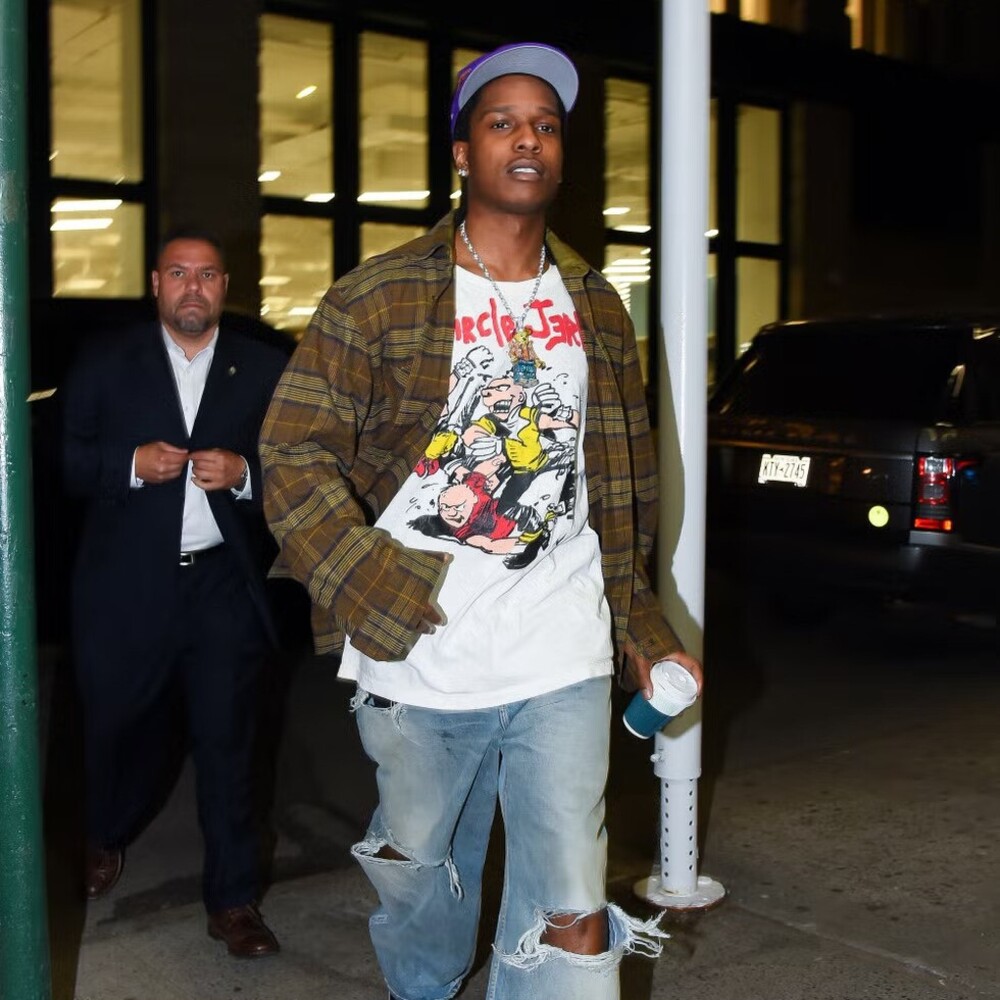
Layering: One of the hallmarks of grunge style is the use of layers. Common combinations might include flannel shirts or oversized cardigans worn over band t-shirts, often coupled with ripped jeans. Layers are not only practical for the often rainy Seattle weather but also serve as an expression of individuality.
Material Choice: Grunge style relies on rugged, comfortable fabrics like denim, flannel, and leather, which convey a practical, no-frills mindset. Clothing frequently appears aged or distressed, reinforcing its laid-back, rebellious vibe.
Footwear: Combat boots, especially Dr. Martens, along with weathered sneakers epitomize the grunge look, and these picks underscore the raw, grounded vibe that defines the style.
Accessories: Grunge-style accessories stay minimal yet intentional, with pieces like beanie hats, chokers, and torn tights subtly enriching the look without overshadowing it.
The Cultural Influence of the Grunge Aesthetic
Beyond the world of fashion, grunge style evolved into a visual language embodying an ethos that questions societal expectations and long‑held norms, and during the 1990s it became instrumental in opening up fashion, encouraging people to embrace authenticity. It also influenced the industry’s shift toward accepting a more casual dress code across many professional environments.
This style has resurfaced over time in many variations, shaping other subcultures and fashion currents such as the punk revival and the hipster movement, and fashion’s cyclical rhythm ensures that grunge is continually reinvented while its core principles persist.
The Modern Interpretation of Grunge
Today’s understanding of grunge style merges its early ideals with modern influences, as fashion designers weave grunge-inspired details into upscale collections, pairing rough accents with refined materials and silhouettes, while streetwear steadily embraces its signature layering and unpolished energy, underscoring the style’s lasting allure.
Incorporating modern elements, such as sustainable and ethical fashion choices, grunge style has evolved without losing its essence. Vintage shopping and upcycling resonate with the grunge legacy, embracing environmental consciousness within the theme of rejecting consumerism.
Grunge style stands as a testament to fashion’s power as a cultural beacon. By examining its development and evolution, one can glean insights into broader societal changes over the past few decades. What started as an anti-fashion statement has become a lasting influence, challenging conventions and continuously inspiring new generations. The dialogue between authenticity and adaptability ensures that grunge style remains relevant in a world that constantly changes its sartorial expectations.