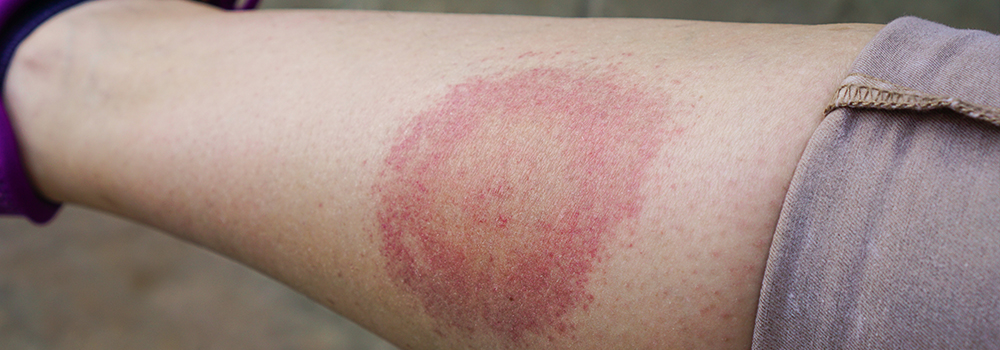

For many years, patients experiencing lingering symptoms long after treatment for Lyme disease often found themselves facing skepticism, both from the medical community and broader public. These individuals reported chronic fatigue, joint pain, cognitive difficulties, and neurological issues, even after completing standard antibiotic therapies. While these symptoms were real to patients, the concept of “chronic Lyme disease” remained contentious in the world of medicine. Today, however, there is a noticeable shift in how the condition is being acknowledged and addressed by healthcare professionals.
Lyme disease, caused by the bacterium Borrelia burgdorferi and transmitted through the bite of infected blacklegged ticks, is the most common vector-borne disease in the United States. Early symptoms typically include fever, fatigue, headache, and a characteristic skin rash. When caught early, the illness is generally treatable with antibiotics. However, for a notable portion of individuals, symptoms do not completely disappear after treatment. These persistent symptoms have fueled decades of debate about what is now being termed “Post-Treatment Lyme Disease Syndrome” (PTLDS).
The term PTLDS is increasingly favored among clinicians as it distances the diagnosis from controversial connotations associated with “chronic Lyme disease” while acknowledging that a subset of patients do continue to suffer long-term effects. Recent years have seen a growing number of doctors who are open to the idea that these post-treatment complications warrant medical validation and active management, rather than dismissal or psychosomatic attribution.
A contributing factor to the changing viewpoint is the gathering of patient-reported information and medical research indicating that a more intricate process occurs in the body after infection. Scientists are investigating multiple hypotheses, such as immune system imbalance, residual bacterial particles causing inflammation, or even the possible influence of additional infections carried by ticks. Although no single theory has achieved widespread agreement yet, the growing body of evidence has paved the way for more research.
Otra razón detrás de este cambio de actitud es la creciente visibilidad de la enfermedad de Lyme. El cambio climático ha ampliado el hábitat de las garrapatas, lo que ha provocado un aumento de casos en áreas antes vistas como de bajo riesgo. Más personas, incluyendo médicos y funcionarios de salud pública, ahora conocen a alguien afectado por problemas crónicos relacionados con Lyme, otorgándole a la enfermedad una mayor legitimidad e importancia.
The traditional approach to Lyme disease treatment focuses on a few weeks of antibiotics, which work well for many but not all patients. For those with lingering symptoms, frustration often builds when test results show no remaining infection and doctors struggle to offer effective relief. This dynamic has led to the rise of a medical gray zone, where patients find themselves bouncing between specialists or turning to alternative treatments outside of mainstream medicine. Unfortunately, this lack of consistent medical guidance has sometimes left patients vulnerable to unproven therapies or even medical exploitation.
Recognizing these gaps, certain healthcare organizations are starting to establish specialized centers devoted to tick-borne diseases and ongoing Lyme symptoms. These initiatives seek to provide a more holistic approach to care, integrating neurology, immunology, and rehabilitation into their treatment strategies. Moreover, they prioritize acknowledging patient experiences and affirming their symptoms, even when conventional diagnostic methods are insufficient.
Yet, a number of areas within the medical community continue to resist this change. Doubts persist regarding whether the continued symptoms are a direct consequence of Lyme disease or stem from different illnesses or psychological reactions. Those questioning the “chronic Lyme” designation claim that it might result in misdiagnosis, guiding patients toward redundant treatments or overlooking other health problems. On the other hand, advocates for wider acknowledgment argue that ignoring ongoing symptoms leaves patients without assistance, which can frequently exacerbate their condition due to stress, prolonged diagnosis, or mental fatigue.
Insurance coverage is another barrier. Many health plans limit coverage to short-term antibiotic regimens and do not reimburse for extended treatments or multidisciplinary care, citing insufficient evidence. As the conversation around PTLDS grows and new research efforts receive funding, it’s possible that future clinical guidelines may evolve to better reflect the needs of these patients and improve care access.
Central to the situation is an increasing realization that complicated conditions such as post-treatment Lyme disease do not always align neatly with conventional diagnostic categories. Similar to how the medical community has gradually grasped the persistent impacts of COVID-19, there is a growing acknowledgment that infectious illnesses can occasionally result in enduring health issues that persist far beyond the end of the acute phase of the infection.
At the same time, individuals with lingering symptoms following Lyme therapy persist in searching for explanations, frequently navigating through a challenging path of advocacy, experimentation, and disjointed healthcare. The continual advancement in medical comprehension brings a ray of optimism—not just for acknowledgment, but also for more efficacious treatments, amplified research funding, and an increased focus on comprehensive patient care.
As awareness of Lyme disease expands and research delves further into its enduring effects, the distinction between skepticism and diagnosis might soon become less distinct. This transition is a crucial move towards establishing a more empathetic, knowledgeable, and scientifically-based method for addressing the needs of those whose struggles have long been overlooked.