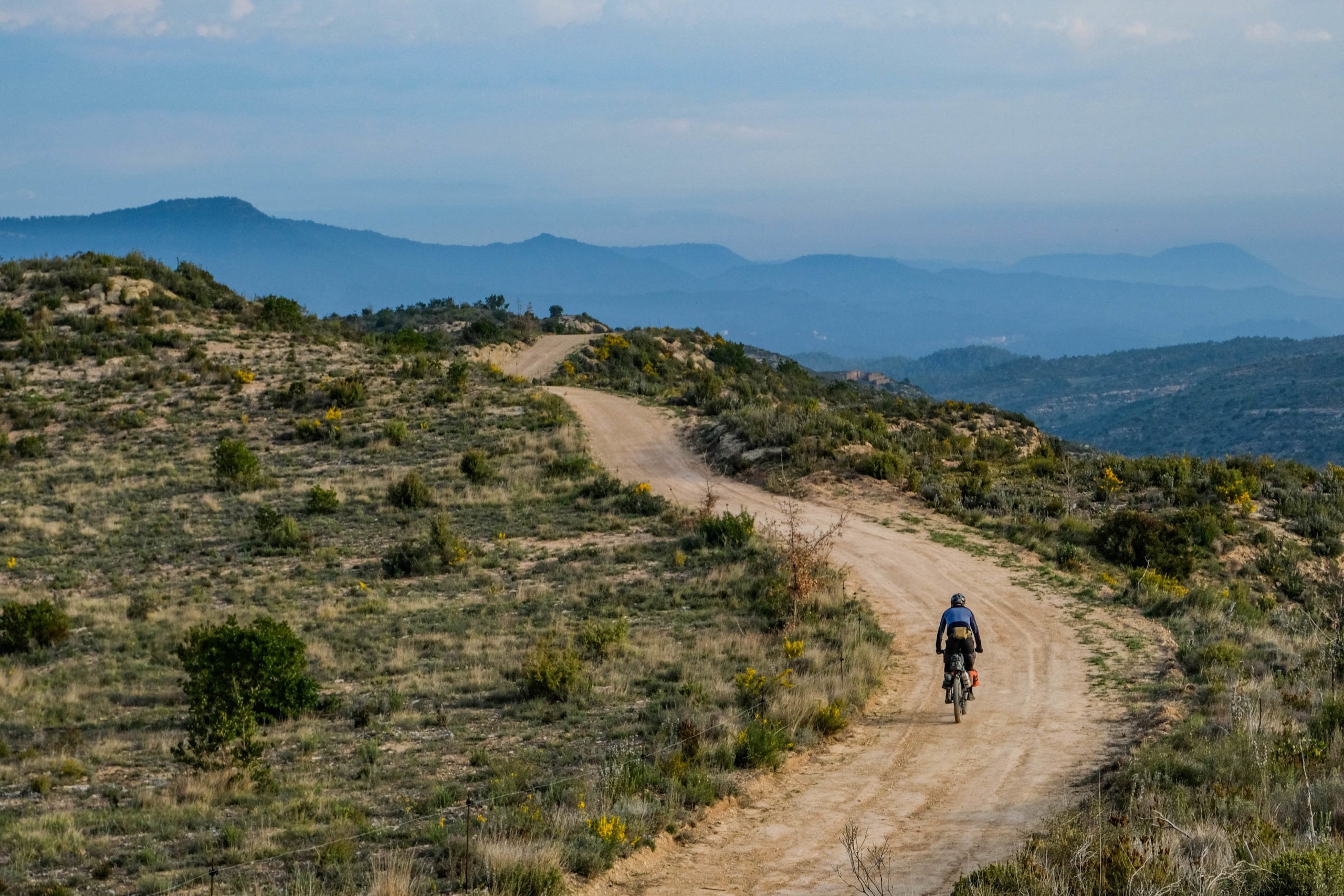

Cycling through Europe offers travelers a unique way to experience the continent’s landscapes, cultures, and history—all at a relaxed pace. Among the many scenic routes available, one particular bike trail has captured the imagination of cyclists and adventure seekers alike. It’s a journey that allows riders to pass through three different countries in a single day, blending borderless travel with immersive exploration. Winding through Austria, Switzerland, and Germany, this cycling route is more than a physical journey—it’s a ride through the heart of Central Europe’s geography and cultural diversity.
The path starts by the edges of Lake Constance, also known as Bodensee, a shining expanse of water that serves as a natural intersection for the three nations. This lake ranks among the biggest freshwater lakes in Europe and is a center for outdoor activities, picturesque towns, and ancient sites. The looped trail surrounding Lake Constance, often referred to as the Bodensee-Radweg, stretches approximately 260 kilometers (about 160 miles) and stands as one of the favorite extensive cycling tracks in Europe.
While many cyclists choose to complete the full loop over several days, it’s entirely possible to cover a segment that includes all three countries—Austria, Switzerland, and Germany—in a single day, especially for moderately experienced riders. This one-day section offers a condensed version of the full experience, with scenic variety, cultural encounters, and border crossings that highlight the unique harmony of the region.
Starting in the Austrian town of Bregenz, the route quickly makes an impression. Nestled at the foot of the Pfänder mountain and bordered by Lake Constance, Bregenz offers a mix of alpine and lakeside charm. The city is known for its cultural events, particularly the Bregenz Festival, which stages elaborate opera performances on a floating lake stage. As riders set off, they are met with wide cycling paths, fresh mountain air, and postcard-perfect views.
From Bregenz, the route runs alongside the lake heading west to Switzerland. Crossing into Switzerland happens effortlessly, thanks to the Schengen Area’s travel agreement, which eliminates passport inspections and customs controls—only a sign marks the shift in nation. The Swiss town of Rorschach represents the ensuing phase of the trip. In this location, cyclists can take advantage of well-kept paths and a lakeside adorned with contemporary art pieces, cafes, and marinas. It’s an idyllic pause for a morning coffee or a brief dip in the lake’s pristine, transparent waters.
Continuing along the northern edge of the lake, the route veers north again, leading riders into Germany. The town of Lindau, located on an island connected to the mainland by a bridge, is often the first major German stop on this segment. With its medieval architecture, cobblestone streets, and harborfront promenade, Lindau offers a distinctly different atmosphere from its Austrian and Swiss neighbors. Cyclists often pause here to explore the old town, enjoy traditional Bavarian cuisine, or simply soak in the panoramic lake views.
What makes this tri-country ride so remarkable isn’t just the novelty of crossing borders, but the way each region retains its character while blending into a cohesive whole. The terrain is relatively gentle, with well-paved paths and clear signage, making it accessible to casual cyclists and families. Meanwhile, seasoned riders can choose to extend the journey into a multi-day tour that continues further into the hinterlands of each country.
The ecological advantages of these bicycle paths are significant. With the rise of sustainable tourism throughout Europe, developing cycling paths is emerging as a major investment focus for regional authorities. The Lake Constance route illustrates how non-motorized travel can advance environmental objectives while boosting local economies. Cyclists bolster nearby businesses—such as cafés, lodges, and bike hire outlets—without incurring the environmental impact tied to automobile or air transport.
Another layer of richness comes from the cultural diversity along the trail. In a single day, riders can hear three languages—German in all three countries, with variations in accent and vocabulary—as well as different dialects, cuisines, and architectural styles. From Austrian strudel to Swiss chocolate and German bratwurst, the culinary journey rivals the scenic one.
In case travelers don’t bring their own bikes, many rental facilities are accessible in every nation, and several stores focus on tourists arranging trips across borders. Certain establishments even provide one-way rentals or luggage delivery services for those wishing to travel without the hassle of carrying their belongings. Train services near the lake also add convenience for people looking to shorten their journey or easily return to where they started.
Safety represents a significant attraction of this route. Most of the trail is either off-road or utilizes specific bike lanes, minimizing encounters with cars. Families with children can enjoy parts of the route with ease, as they are not exposed to traffic, and there are plenty of rest spots. The area also boasts a comprehensive hospitality network, including guesthouses, campsites, and hotels that accommodate cyclists.
Cycling enthusiasts visiting during spring, summer, or early autumn will find the weather ideal. Spring brings blooming flowers along the lakeshore, while summer offers warm temperatures perfect for swimming and sunbathing during breaks. Autumn transforms the surrounding hills into a tapestry of golds and reds, offering a different but equally captivating experience.
The cycle track around Lake Constance is more than just a biking path—it’s a cultural avenue that links three countries through common geography and collaborative tourism. It demonstrates that although borders are set by politics, they don’t have to obstruct communication or adventure. Indeed, this uninterrupted trek through Austria, Switzerland, and Germany exemplifies European cohesion, showing cyclists that collective spaces can be varied yet peaceful.
Whether you’re a leisure cyclist looking for a picturesque day trip or an experienced traveler planning to tackle the entire lake loop, this cross-border journey provides a unique mix of nature’s splendor, cultural engagement, and smooth travel. It’s an excursion that not only leads you across nations but also enriches your understanding of each destination’s uniqueness, while acknowledging the connections that unite them.