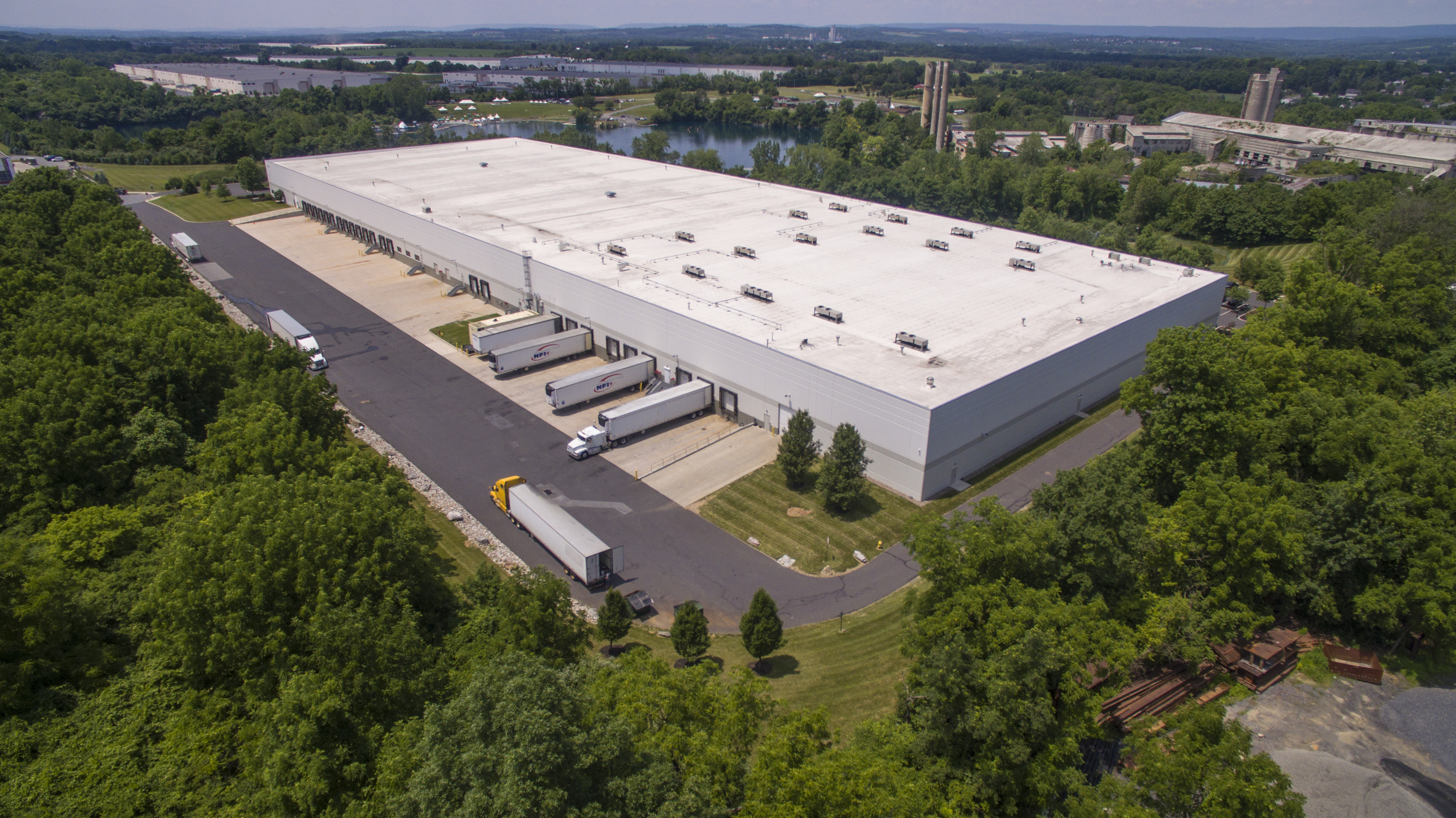

In the intricate realm of international trade, tariffs frequently have a significant impact on economic policies, global supply chains, and the prices that consumers encounter for standard products. However, although much focus is placed on debates about trade restrictions and the duties applied to imports, there is an underappreciated system in the United States that enables companies to evade certain tariffs entirely: Foreign-Trade Zones (FTZs).
The regions dispersed throughout the nation offer businesses temporary reprieve from tariffs under particular circumstances, providing adaptability that can greatly influence company activities, expenses, and competitive standing. Despite being mostly unnoticed by typical consumers, FTZs play a vital, albeit subtle, role in the American economic framework.
The United States now features over 250 operational Foreign-Trade Zones and more than 500 subzones, which are strategically positioned close to ports, industrial centers, and key transportation paths. Initiated under the Foreign-Trade Zones Act of 1934, this initiative aims to boost domestic manufacturing, increase exports, and generate employment by easing tariff obligations on imported merchandise that is processed or assembled within the U.S.
The fundamental idea of these zones is simple: products that enter an FTZ do not incur U.S. Customs duties unless they exit the zone and move into the national market. This allows businesses within an FTZ to store, assemble, produce, or re-ship goods without facing immediate tariff expenses. Should the products be exported to other countries in the end, they might bypass U.S. tariffs altogether.
This framework provides strong motivations for companies to establish production and logistics operations within these areas. For instance, an automobile producer that sources parts internationally can import them into an FTZ, construct vehicles, and subsequently decide to either market them in the U.S. or export them to other countries. When exported, the complete goods are exempt from U.S. tariffs entirely. Even when sold within the country, the producer might gain by incurring duties on the lower-cost components instead of the more expensive finished goods.
In an era where global supply chains are more interconnected than ever, FTZs offer U.S. businesses valuable tools to remain competitive, especially when international competition and shifting trade policies introduce volatility into global markets. For some industries, such as electronics, automotive, pharmaceuticals, and aerospace, participation in FTZ programs can result in millions of dollars in savings annually.
Moreover, FTZs can help businesses navigate temporary changes in trade policy, including the imposition of tariffs on specific goods or countries. During periods of escalating trade tensions, companies operating within these zones often have greater flexibility to adjust their supply chain strategies without immediate financial penalties.
The advantages of FTZs go further than just relieving tariff burdens. These areas assist in simplifying customs processes, lessening documentation, and offering logistical benefits that can speed up delivery schedules and enhance inventory control. Sometimes, businesses can delay paying fees until products leave the zone, enhancing cash flow and boosting operational efficiency.
For regional economies, the presence of an FTZ can be a catalyst for growth. Local governments and economic development agencies often advocate for the establishment of FTZs as a means of attracting investment, creating jobs, and enhancing industrial infrastructure. Ports, in particular, benefit from increased activity as businesses use FTZs for storage and distribution.
Although they do have benefits, Foreign-Trade Zones can be controversial and face criticism. Some detractors claim that FTZs provide advantages mainly to large multinational companies and offer little help to small and medium-sized businesses. There are also concerns about possible regulatory gaps or unforeseen economic outcomes, such as a decreased need for domestic materials or production.
There is also ongoing debate about the environmental and labor implications of FTZs. Because goods processed in these zones may be intended for export rather than domestic consumption, there are questions about whether such operations fully align with U.S. labor standards and environmental protections. While FTZs are subject to U.S. laws, enforcement and oversight can vary, particularly in regions where economic pressures create strong incentives for rapid industrial development.
Nonetheless, for many U.S. businesses, FTZs remain an essential strategic tool in a highly competitive global economy. The growing importance of e-commerce, advanced manufacturing, and technology-driven industries has only increased interest in utilizing these zones. For example, major logistics companies and distribution centers, particularly those handling high-value electronics or medical devices, frequently leverage FTZs to manage inventory and optimize tax exposure.
The importance of FTZs was highlighted even further during the interruptions induced by the COVID-19 pandemic. Challenges in supply chains, variable demand, and changing international trade patterns emphasized the necessity of being adaptable in operations. Numerous businesses that had not earlier recognized the advantages of FTZs started considering them as a component of their strategies for enhancing resilience.
The landscape of tariff policy in the United States continues to change, shaped by political changes, economic objectives, and global pacts. The recent emphasis on bringing manufacturing back to the country, decreasing dependence on specific international suppliers, and reinforcing national supply chains has brought new focus to trade policy instruments that can support these objectives. FTZs, by enabling companies to lessen tariff liabilities while keeping operations within the country, fit with wider efforts to enhance U.S. industrial strength.
For investors, understanding the role of FTZs can offer insights into the strategic decisions made by major corporations, particularly those in trade-sensitive industries. Companies that effectively leverage FTZs may have a competitive edge in managing costs, optimizing supply chains, and adapting to regulatory changes. Conversely, firms that fail to take advantage of such mechanisms may find themselves at a disadvantage in rapidly changing markets.
Although the majority of consumers are not familiar with the concept of FTZs, they might indirectly enjoy the advantages these zones provide. Reduced manufacturing expenses can lead to more attractive pricing for products, and heightened industrial activity can stimulate job opportunities and boost economic growth in the region.
Looking ahead, the expansion and modernization of the FTZ program may become an important area of focus for policymakers aiming to ensure that American businesses remain agile and competitive in a complex global marketplace. This could include efforts to make FTZs more accessible to smaller businesses, enhance regulatory transparency, and align operations with sustainability goals.
En medio de los debates comerciales en la escena nacional, que abarcan desde los aranceles en sectores particulares hasta acuerdos comerciales más amplios, el discreto pero influyente papel de las Zonas de Comercio Exterior sigue siendo un componente crucial en la conversación económica. Estas zonas sirven como recordatorio de que, incluso dentro de un marco de políticas comerciales proteccionistas o intervencionistas, existen mecanismos destinados a equilibrar intereses contrapuestos, apoyando industrias locales y promoviendo el comercio internacional.
For the multitude of businesses that depend on these areas every day, the potential to momentarily avoid tariffs is not just a bureaucratic formality—it plays a crucial role in their strategies for survival and expansion. Furthermore, as global trade encounters new obstacles and uncertainties, the existence of numerous temporary tariff-exempt zones throughout the United States may keep influencing the future of American commerce in ways both apparent and hidden.