

Contents
- What makes Cap Cana an attractive investment destination in 2026?
- Tourism: An Indicator Worth Monitoring
- How Where a Property Is Situated Can Influence Its Appeal
- Which property variety works best for putting money into Cap Cana?
- Rental potential is also part of the analysis
- Tax Benefits and Project Conditions
- Buying a Completed Property or Opting for a Pre-Sale
- Beyond the Price: Costs Investors Must Consider
- Who Might Be Interested in the Cap Cana Real Estate Market?
- Real Estate Investment in Cap Cana in 2026: A Decision That Requires Analysis
Cap Cana heads into 2026 with a combination of factors that is catching the attention of those watching the real estate market: tourism, new projects, residential communities, and a range of properties that spans from apartments to villas and land. Given this landscape, a logical question arises for buyers and investors: Is 2026 a good time to invest in Cap Cana? The answer does not depend on a single indicator, but rather on factors such as location, property type, rental demand, costs, and the purpose of the investment.
For Inversiones AIDES, understanding these differences is part of its analysis of the Cap Cana real estate market. Its experience with properties of varying characteristics allows the firm to evaluate each option based on factors such as location, nearby amenities, and the profile of the buyer or renter it is likely to attract. Thus, rather than presenting a single opportunity for everyone, the market offers different possibilities that should be assessed according to each investor’s objectives.
What makes Cap Cana an attractive investment destination in 2026?
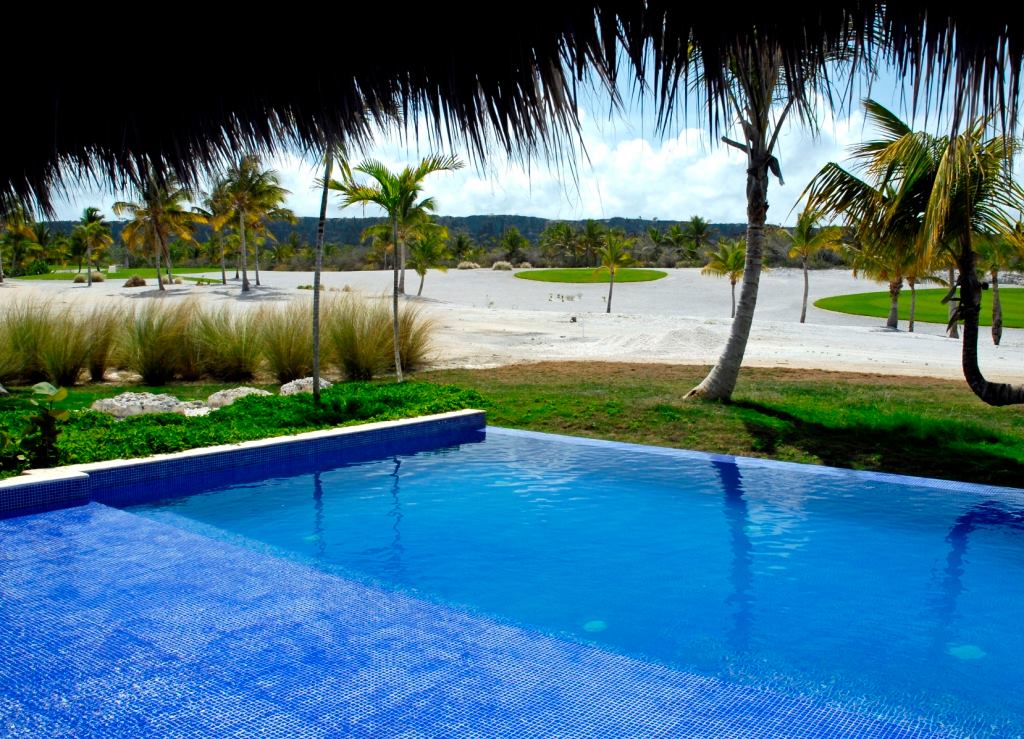
For more than two decades, Cap Cana has been developing a residential offering in 2026 that combines residential communities, tourism, and a comprehensive infrastructure of services. Beaches, a marina, golf courses, restaurants, hotels, and sports facilities are all part of an environment that attracts both residents and those interested in a second home or a vacation property.
This combination can also influence real estate demand. A property’s value is not determined solely by its square meters, layout, or finishes. Its location within the destination and the services available in the surrounding area can also be important factors for those looking to live there, vacation there, or rent out a property.
Tourism: An Indicator Worth Monitoring
Tourism in the Dominican Republic is another factor that can provide valuable insights when analyzing a real estate investment in Cap Cana. Official indicators from the Ministry of Tourism provide insight into variables such as visitor arrivals, hotel occupancy, and trends in the country’s main destinations.
For those considering vacation rentals, this data can help them understand the environment in which demand is generated. However, overall tourism trends alone do not determine a property’s performance. The purchase price, location, expenses, and the property’s ability to attract guests are also part of the evaluation.
How Where a Property Is Situated Can Influence Its Appeal
Investing in Cap Cana means choosing not only a property but also a location within a destination made up of different communities and residential areas. As a result, properties of similar size may appeal to different buyer profiles depending on their surroundings.
A home near the marina may appeal to those who value water sports, restaurants, and entertainment. A property near a golf course may appeal to a different profile, while a residence near the beach may be more attractive to those seeking a vacation experience.
Even within the same community, there are differences related to views, orientation, privacy, access, and proximity to certain amenities. For this reason, comparing only the price per square meter may provide an incomplete picture of a real estate opportunity.
Which property variety works best for putting money into Cap Cana?
The answer depends on the buyer’s objective. Apartments may suit those seeking a smaller-scale property with specific maintenance requirements, while villas may be more suitable for those who prioritize spaciousness, privacy, and outdoor areas.
Land plots represent another alternative for individuals wanting to construct a house subsequently. In such scenarios, apart from the acquisition cost, buyers must take into account building regulations, the architectural blueprint, infrastructure expenses, and the financial resources needed to finish the undertaking.
Additionally, fresh development projects are available, bringing unique amenities and distinct financial schedules. Because every alternative entails particular terms, purchasers ought to base their selection upon their specific financial timeframe, liquid funds, and overarching goals.
Rental potential is also part of the analysis
A investment property in Cap Cana can be purchased as a second home and used during certain times of the year, while during other periods it could be rented out. This possibility makes demand trends a relevant factor for some investors.
Before purchasing for this purpose, it is necessary to distinguish between gross income and the actual return that remains after covering expenses. Management, maintenance, utilities, insurance, taxes, and homeowners’ association fees are among the costs that must be considered.
Occupancy rates also demand careful consideration. A high leasing percentage does not automatically equate to greater yearly revenue when prolonged vacant spells occur. Consequently, analyzing benchmark properties alongside fluctuating seasonal trends assists in setting more grounded projections.
Tax Benefits and Project Conditions
Tax incentives can be another factor in the analysis. Among these is the CONFOTUR program, established by Law 158-01 to promote tourism development in the Dominican Republic.
Not all properties located in a tourist destination automatically qualify for the same conditions. When a project has the appropriate classification and meets the established requirements, certain tax benefits may be part of its financial structure. Therefore, this information must be specifically verified before incorporating it into a purchase decision.
Buying a Completed Property or Opting for a Pre-Sale
A completed property allows you to directly assess its features, finishes, views, location, and surroundings. It also makes it easier to compare it with other options available on the market.
A presale, on the other hand, may offer payment plans spread out over the course of the development and the opportunity to purchase a unit at an early stage. In return, it requires reviewing aspects such as the developer’s track record, construction timelines, contractual terms, payment schedule, and the project’s planned features.
Neither of these options is the right fit for every buyer. The choice depends on the investment horizon, the availability of capital, and the specific conditions of each project.
Beyond the Price: Costs Investors Must Consider
The purchase price represents only a portion of the capital needed to acquire and maintain a property. Legal fees, taxes, closing costs, insurance, maintenance, property management, utilities, and homeowners’ association fees can significantly alter the final budget.
Whenever a leasing strategy is established, the costs tied to managing the asset must additionally be accounted for. Such an evaluation assists in differentiating between the gross revenue a real estate property might produce and the net yield the proprietor will ultimately secure.
Maintenance fees, furthermore, can vary depending on the community, the type of property, and the services included. Requesting this information before making an offer or signing a contract is essential to gaining a more accurate understanding of the investment’s actual cost.
Who Might Be Interested in the Cap Cana Real Estate Market?
Cap Cana provides alternatives for purchasers with distinct objectives. Certain individuals seek a vacation residence to enjoy seasonally, whereas other buyers contemplate leasing the unit or retaining it as a long-term property investment.
There is also interest from international buyers. According to information provided by Inversiones AIDES, more than 70% of its clients are international, and the company employs bilingual brokers to assist foreign buyers throughout the process. For this group, having clear information about the property, costs, the community, and the terms of purchase is particularly important.
Real Estate Investment in Cap Cana in 2026: A Decision That Requires Analysis
The characteristics of Cap Cana make the destination a viable option for various profiles interested in a real estate investment in 2026. However, determining whether a property represents an opportunity depends on much more than just the general market trends. Location, property type, price, costs, rental demand, project conditions, and the buyer’s objective must all be analyzed together.
In this process, understanding the local market helps interpret the differences between each option. Inversiones AIDES has a proven track record in the Cap Cana real estate market and works with apartments, villas, land, and new-construction projects. Its experience with local and international buyers serves as a valuable reference for understanding the characteristics of available properties and the various factors involved in evaluating an investment in the destination.